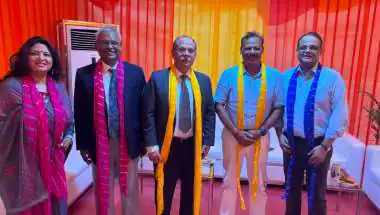
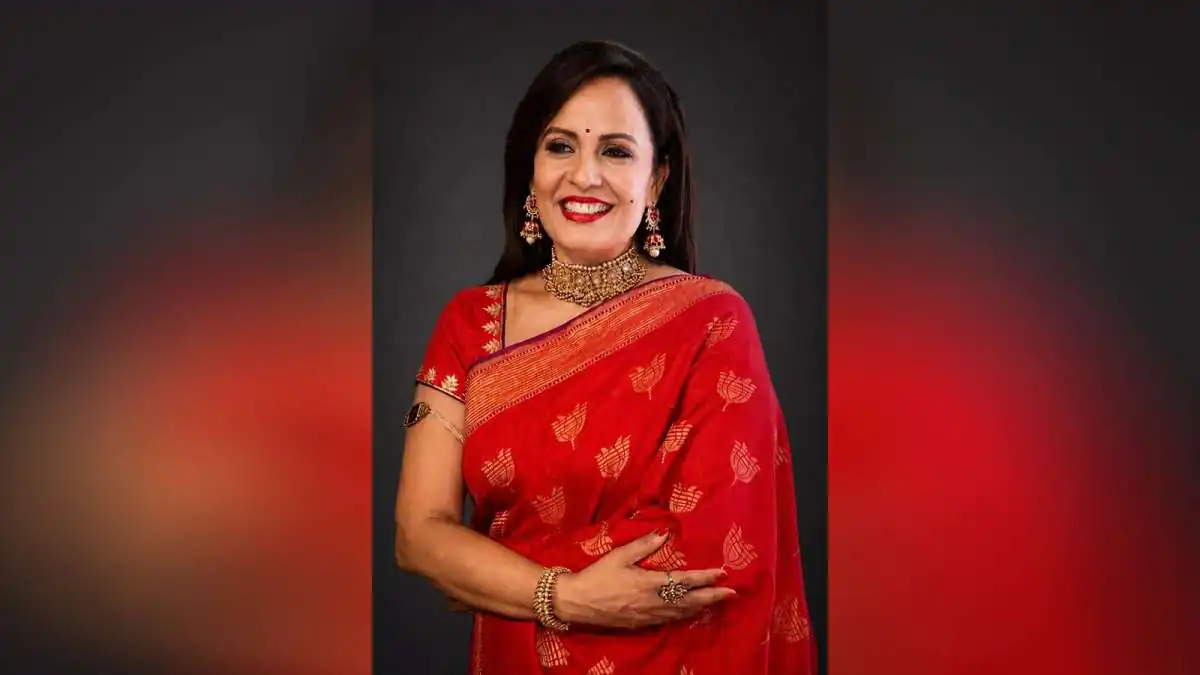
When Prime Minister Narendra Modi arrived in the Netherlands on an official state visit, the welcome he received carried a distinctly Rajasthani heartbeat — the timeless folk song "Padharo Mhare Des", performed by Jaipur-based singer Manesha A Agarwal.
The performance, presented as part of the cultural program organized to greet the Prime Minister, drew wide appreciation and placed Rajasthan's folk tradition on a prominent international stage. It underscored the deepening role of regional art in India's public diplomacy — a soft-power instrument that connects distant cultures through music and shared emotion.
Prime Minister Modi acknowledged the cultural presentation, expressing appreciation for how it reflected the rich and layered heritage of Rajasthan through its musical rendition, according to event organizers. The moment resonated beyond the venue: Rajasthan Chief Minister Bhajan Lal Sharma amplified the recognition by sharing details of the performance on his official account on X (formerly Twitter), bringing it to the attention of a wider national audience.
Such acknowledgement at the highest levels of government lends significant weight to the performance — and to the artist behind it.
A song rooted in Rajasthan's invitation to the world
"Padharo Mhare Des" — which translates to "Welcome to my land" — is among the most recognised folk compositions of Rajasthan, traditionally sung as a warm-hearted invitation extended to guests and visitors. Its selection for a diplomatic welcome ceremony is both symbolically resonant and culturally apt: a folk song about hospitality, sung to greet a nation's leader on foreign soil.
The inclusion of this composition in a formal diplomatic setting reflects a growing international appetite for India's regional cultural traditions — particularly as Indian folk music finds audiences far beyond its geographic origins.
Who is Manesha A Agarwal?
Manesha A Agarwal is a Jaipur-based vocalist with a distinguished repertoire spanning Rajasthani folk and devotional music. She has built a reputation for bridging traditional idioms with contemporary arrangements — an approach that makes her work accessible without diluting its authenticity.
Her catalogue includes well-known compositions such as Nimbooda, Banna Re, Malhar, and Girdhari Girdhari — pieces that have contributed to keeping Rajasthan's folk tradition alive and visible in an era dominated by mainstream commercial music.
Beyond performance, Agarwal is actively engaged in cultural preservation. Through the Arpan Music Lab, an initiative of the Arpan Foundation, she mentors emerging artists, offering structured training grounded in classical and folk traditions. The initiative is aimed at ensuring that Rajasthan's musical legacy is passed to the next generation with fidelity and care.
Folk music as cultural diplomacy
The Netherlands performance adds to a growing body of examples in which Indian folk and classical artists have represented the country's cultural identity on international platforms during official diplomatic engagements. As India's global profile expands, such cultural moments are increasingly seen as meaningful extensions of national identity — grounded, authentic, and distinctly regional in character.
For Rajasthan, a state whose cultural output spans centuries and whose music has always carried an invitation to the world, the echo of "Padharo Mhare Des" across the Netherlands is, perhaps, exactly that — an enduring, open-hearted welcome.